Local SEO Strategies for Contractors in NC

Local SEO Best Practices for NC Contractors to Attract Leads
Local SEO for contractors in North Carolina focuses on making your services discoverable to nearby homeowners and businesses searching for trades like roofing, HVAC, plumbing, and electrical work. This guide shows contractors how to optimize Google Business Profiles, target geo-specific keywords, and use on-page and technical signals to convert searchers into qualified leads. Many contractors lose local opportunities because of inconsistent NAP data, weak service pages, or missing schema; this article offers practical steps to fix those gaps and generate measurable lead growth. You will learn how to claim and verify listings, map keywords to pages and GBP attributes, prioritize citation and backlink efforts, and leverage AI tools that speed up routine local optimizations. The article is organized into six focused sections: GBP optimization, keyword research, on-page and technical best practices, citation and backlink strategies, how AI (OTTO) helps scale local SEO, and real NC case evidence with metrics. Throughout, we use industry terms like local SEO contractors, Google Business Profile optimization for NC contractors, and voice search optimization for contractors to keep advice tactical and actionable.
How Can Contractors in North Carolina Optimize Their Google Business Profile for Local SEO?
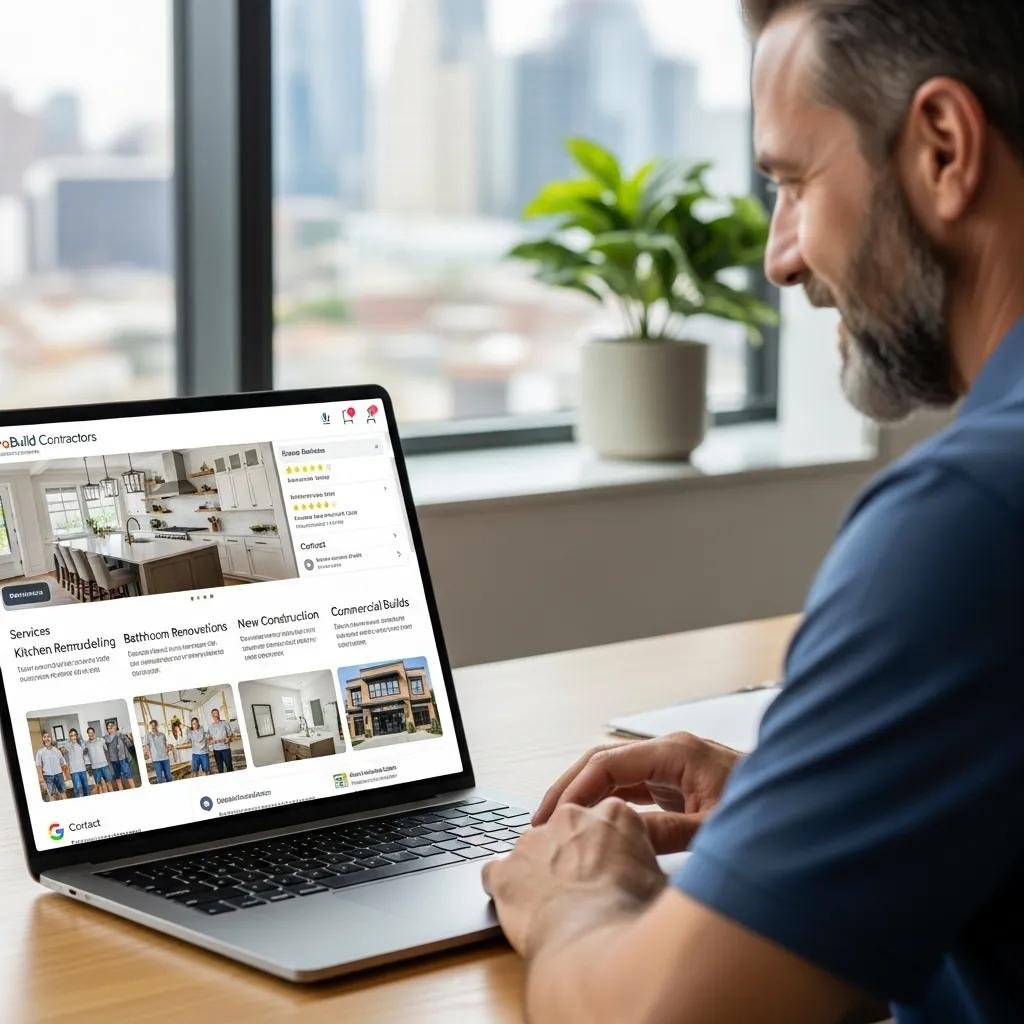
A properly optimized Google Business Profile (GBP) is the single most direct signal to appear in local pack results and drive calls and site visits because GBP directly surfaces your business details to searchers and Google’s local algorithms. Start by claiming and verifying control of your GBP, then ensure consistent NAP formatting, choose accurate primary and secondary categories, and populate service entries and business descriptions with geo-modified keywords relevant to the trade. Visual content matters: high-quality before/after photos, team shots, and short job-site videos increase user engagement and improve click-through from the local pack. Regular GBP activity—posts, service updates, Q&A responses, and proactive review management—signals freshness and relevance to Google, which in turn supports local rankings and lead volume.
Essential GBP components and best practices are summarized below to make auditing straightforward.
- Claim and verify your GBP following Google’s recommended verification flow to secure ownership and access to insights.
- Ensure NAP consistency across your site and citations using the same formatting and abbreviations.
- Select a single precise primary category and supportive secondary categories that reflect the contractor trade.
- Upload service-specific photos, project galleries, and short videos, and add regular posts about promotions and completed jobs.
These steps create a baseline of trust and relevance for local search. The table below compares GBP components, attributes, and practical values so contractors can prioritize setup tasks.
| GBP Component | Best Practice | Example / Action |
|---|---|---|
| Name / NAP | Exact match to website header and primary citations | Use “Business Name” + trade descriptor consistently |
| Primary Category | One trade-specific primary category | Choose “Roofing contractor” or “Plumber” as primary |
| Services | Populate service list with geo-keywords | Add “Raleigh roof repair” and service descriptions |
| Photos & Videos | High-res job photos; before/after galleries | Upload at least 5 project photos and 1 short video |
| Posts & Q&A | Post weekly updates and answer Q&A promptly | Weekly project posts and timely Q&A responses |
| Reviews | Solicit and respond to reviews professionally | Request reviews after job completion; reply within 48 hours |
This quick comparison helps contractors prioritize high-impact GBP tasks. Consistent application of these actions improves local relevance and supports higher click and call volume from the local pack.
What Are the Essential Steps to Claim and Verify Your Google Business Profile?
Claiming and verifying a Google Business Profile establishes control and unlocks management features that impact local visibility, because unverified listings have limited edit reach and reduced trust signals. Start by searching for your exact business name in Google’s GBP manager, claim the profile if available, and choose the verification method that fits your situation—postcard verification for most addresses, phone or email where available, or instant verification via Search Console if your domain is already verified. Contractors often face verification delays due to ambiguous listings, duplicate entries, or mismatched NAP across citations; audit competing listings and request duplicates be removed or merged before initiating verification to avoid conflicts. Keep verification account access centralized to the owner or an authorized marketing admin to prevent ownership disputes and ensure continuity of listing updates.
Verification unlocks management features such as posting, service list editing, and insight access which in turn enable more precise local optimization. Maintaining clear ownership and an audit trail reduces delays and supports faster GBP improvements.
How to Enhance Your Profile with Accurate NAP, Categories, and Visual Content?
Accurate NAP and correct category selection are core relevance signals and help search engines match queries to local service providers, while rich visual content improves click-through and trust. Standardize your business name, address formatting, and phone number across your website, major directories, and invoices to minimize citation conflicts; use the same abbreviations and punctuation. Choose one precise primary category and supportive secondary categories that reflect the trade and local services; avoid stuffing categories unrelated to your core offerings. For visual content, capture high-quality before/after images, crew/team photos, and short job-site clips that show scope; use descriptive filenames and concise ALT text with location and service descriptors to improve image discoverability.
Consistent NAP and targeted categories reduce classification errors while compelling visuals increase user engagement, so pairing both improves local click-through and trust from potential NC clients.
What Local Keyword Research Strategies Drive Contractor Lead Generation in NC?

Local keyword research for contractors maps searcher intent to the right page or GBP attribute, ensuring that high-intent queries generate leads instead of empty clicks. Identify geo-modified, service-specific, and long-tail keywords that reflect purchase intent—phrases like “roof repair near me Raleigh” or “emergency plumber Charlotte”—then prioritize terms by search volume, competition, and conversion likelihood. Use a combination of keyword planners, local rank trackers, and SERP mining of competitors to surface regional phrases and neighborhood modifiers; build an intent map aligning queries to GBP services, service pages, and FAQ content. Voice search optimization favors conversational long-tail queries, so include question-based phrases and natural language on FAQ sections and service descriptions to capture “near me” and voice-driven demand.
A practical EAV-style mapping helps translate search intent into on-page and GBP actions contractors can implement immediately.
| Search Intent | Example Query | Optimization Tip |
|---|---|---|
| Commercial investigation | “best roofer in Raleigh NC” | Use comparison and testimonial content on service landing pages |
| Transactional / Hire now | “roof repair near me” | Optimize GBP services and click-to-call on landing pages |
| Informational / Pre-purchase | “how long does roof replacement take” | Add detailed FAQs and process pages with local context |
| Emergency intent | “emergency plumber Charlotte 24/7” | Highlight emergency services, hours, and schema on site and GBP |
How to Identify Geo-Specific and Long-Tail Keywords for Construction Services?
Identifying actionable local keywords begins with a seed list of core services and expands using local modifiers, competitor analysis, and search suggestions that reveal user phrasing patterns. Start with base service terms (e.g., roof repair, HVAC maintenance), append city and neighborhood names across North Carolina markets, and generate long-tail variants using tools like local keyword planners and search autocomplete to capture conversational queries. Review competitor GBPs and top-ranking service pages to extract common phrases, then validate demand with search volume and local rank data to prioritize targets. Create a simple matrix of priority keywords per city and map them to specific GBP services or city landing pages to ensure coverage and reduce keyword cannibalization.
This process turns broad service categories into prioritized, geo-specific targets ready for on-page optimization and GBP enrichment. Regularly revisit the matrix to account for seasonality and changing local demand.
Why Is Optimizing for Voice Search Important for NC Contractors?
Voice search optimization captures users who speak natural, question-based queries into devices and smart assistants, and these queries often indicate immediate local intent, such as “who does water heater repair near me” or “emergency electrician open now Raleigh.” To optimize for voice, include conversational long-tail phrases and full-question FAQ content on service pages and GBP descriptions, and use structured data like FAQ schema to make answers easily retrievable by voice assistants. Prioritize quick, direct answers to common questions and ensure pages load quickly and are mobile-friendly because voice searchers expect fast, phone-ready results. Local signals like “near me” and “open now” increase voice-driven conversions, so keep GBP hours and service availability current and include clear click-to-call elements on mobile.
Voice optimization improves conversion rates by matching the format and tone of spoken queries, which helps NC contractors capture ready-to-hire prospects through both organic pages and GBP interactions.
Which On-Page and Technical SEO Practices Improve Local Search Rankings for NC Contractors?
Technical and on-page SEO create the infrastructure that lets local relevance signals convert into visible local rankings, because search engines need dependable site performance and clear structured data to correctly interpret local intent. Ensure mobile-first design, fast page speed, and good Core Web Vitals performance; these factors directly impact user experience and indirectly affect local rankings. Implement LocalBusiness and Service schema on service and contact pages, including geo-specific properties where appropriate, to help search engines understand what you offer and where you operate. Build dedicated geo-specific service pages for high-priority towns and neighborhoods, each with unique content, local testimonials, and internal links to a primary service hub to avoid thin or duplicate content.
A checklist helps contractors audit technical health and on-page readiness quickly and prioritize fixes that have the biggest local impact.
- Mobile Optimization: Ensure responsive design, fast mobile load, and accessible click-to-call buttons.
- Page Speed: Optimize images, defer noncritical scripts, and use caching/CDN strategies to reduce load times.
- Schema Implementation: Add LocalBusiness and Service schema with accurate geo properties and service descriptions.
- Geo-Specific Pages: Create unique service pages per city with localized content and internal linking to service hubs.
Following this checklist improves both crawlability and user conversion rates, aligning technical foundations with local intent so contractors can capture more calls and leads from regional searches.
How to Ensure Mobile Optimization and Fast Page Speed for Contractor Websites?
Fast mobile experience and efficient resource delivery are critical because many local search users call directly from mobile results, and poor performance reduces conversions and ranking potential. Start with image optimization: compress and serve responsive images, use modern formats, and include descriptive ALT text that references service and location. Implement caching, minimize JavaScript, and adopt a reliable hosting environment with optional CDN to reduce latency across North Carolina markets. Improve mobile UX by placing click-to-call buttons above the fold, simplifying contact forms to two or three fields, and using clear service CTAs that reduce friction for callers.
Measurable improvements in Core Web Vitals and mobile load times translate directly into higher engagement and more completed leads. Regularly test pages on mobile and iterate using prioritized fixes to maintain a competitive local presence.
What Is the Role of LocalBusiness Schema and Geo-Specific Service Pages?
LocalBusiness and Service schema provide structured signals that help search engines associate your business with specific services and locations, which increases the chance of appearing in local snippets and enhanced listings. Include essential schema fields such as service names, service descriptions, service area, business name, and geographic coordinates or structured address elements where applicable. For city-level targeting, create geo-specific service pages that speak directly to local searchers, embedding service schema and unique content about local regulations, neighborhood characteristics, and recent projects. Use internal linking patterns from a central service hub to city pages and canonical tags to avoid duplication, while ensuring each page answers the primary transactional queries for that locality.
Implementing schema and targeted city pages makes your site easier for search engines to associate with local queries and improves both local pack and organic visibility for service searches across North Carolina.
How Do Local Citations and Backlinks Build Authority for Contractors in North Carolina?
Local citations and backlinks act as third-party confirmations of your business’s legitimacy and relevance, which helps search engines trust your presence for localized queries; consistent, high-quality citations reduce confusion while authoritative local links increase domain trust. Prioritize high-value state and city directories, trade-specific directories, and local news/media links that have clear locality relevance or industry association. Maintain a regular citation audit to fix inconsistencies and duplicate listings, and pursue backlink opportunities through partnerships, sponsorships, local PR, and supplier/manufacturer pages. Outreach should focus on mutually beneficial local relationships and project-based stories that earn links from community organizations, trade associations, and regional publications.
A prioritized table helps contractors decide where to spend limited listing and outreach time for the greatest local SEO payoff.
| Directory / Source | Trust Signal | Recommended Action |
|---|---|---|
| State business directories | Moderate | Ensure accurate NAP and category match |
| City chamber / local government pages | High local relevance | Apply for listings and sponsorship recognition |
| Trade-specific directories (roofing, HVAC) | High relevance | Complete profiles and request link back to project pages |
| Local news / PR outlets | High authority | Pitch project stories and community sponsorships |
| National aggregators | Variable | Audit and standardize NAP across profiles |
This prioritization helps contractors target directories and link prospects that most influence local pack visibility. Consistent citation management combined with targeted backlink outreach yields measurable authority gains and better local rankings.
Which Local Directories and Industry-Specific Citations Are Most Effective?
Directory value depends on both trust signals and local relevance, with city chambers and trade associations often delivering better alignment than generic national listings. Target state-level directories for North Carolina business exposure, local city chambers for neighborhood relevance, and trade-specific portals for industry validation; these sources typically provide citation consistency and referral traffic. Evaluate directories by traffic, editorial quality, and whether they provide a follow link or structured data fields that mirror your GBP and website NAP. When submitting, fully complete profiles, upload images and service descriptions, and use the same NAP formatting as on your website to avoid fragmentation.
Correctly prioritized directory work reduces the time spent on low-value listings and improves the signal quality that Google uses to validate local relevance and trust.
What Strategies Can Contractors Use to Acquire Quality Local Backlinks?
Quality local backlinks come from community partnerships, media coverage of noteworthy projects, sponsorships of local events, supplier and manufacturer listings, and well-placed case studies that local outlets will reference. Create outreach templates tailored to each opportunity: a sponsor pitch for youth sports, a project case study for local press, and a supplier cooperation request demonstrating mutual benefits. Offer content assets—project galleries, data-driven posts about local construction trends, or how-to guides—that local sites find useful and likely to link. Track acquisition impact using referral traffic and ranking shifts to prioritize the most effective outreach channels.
Sustained, community-focused link building complements citation work by reinforcing local authority and driving referrals that convert into real leads.
How Does AI-Powered SEO with OTTO Enhance Local SEO for NC Contractors?
AI-powered SEO platforms accelerate routine local optimization tasks and surface high-impact opportunities faster than manual audits, because machine learning can analyze large datasets across GBP signals, on-page content, and local competition to recommend prioritized actions. OTTO automates GBP updates, suggests service and post copy, drafts review responses, and identifies quick-win on-page changes using real-time data. By pairing AI insights with agency strategy, contractors can scale optimizations across multiple locations, maintain freshness, and move faster on prioritized fixes that yield the highest local lift. The partnership model with Search Atlas allows an agency to implement AI-suggested changes while monitoring outcomes, creating a feedback loop that refines future recommendations.
SEORaleigh integrates OTTO-driven workflows into localized campaigns for contractors, offering an AI-assisted approach that focuses on GBP management, service page optimization, and instant prioritization of tasks. For contractors seeking a faster path to local improvements, combining experienced local SEO oversight with OTTO automation makes it practical to manage ongoing optimizations across many service areas.
In What Ways Does OTTO Automate Google Business Profile Management and Content Optimization?
OTTO can schedule GBP posts, recommend and populate service fields, suggest keyword-rich descriptions, and generate draft responses to reviews, reducing the manual time needed to keep profiles active and optimized. Automated monitoring flags ranking shifts and review sentiment changes so teams can react quickly to threats or opportunities, and AI-driven content suggestions help create consistent, localized service descriptions and page titles. For content optimization, OTTO analyzes on-page signals against local competitors and proposes targeted meta and heading updates, which agencies can implement at scale. The automation streamlines execution and frees contractors and their marketing teams to focus on client service and generating reviews.
Using OTTO for routine GBP and on-page tasks shortens the time from insight to action and helps maintain consistent, localized signals across web and GBP properties.
How Can AI-Driven Insights Improve Real-Time Local SEO Performance?
AI-driven insights prioritize optimizations by predicted impact, scoring pages and GBP actions so teams can focus on highest-return tasks rather than low-impact changes. For example, OTTO can identify a service page with rising impressions but low clicks and recommend title and meta adjustments or a GBP post to improve CTR; it can also surface neighborhoods where visibility is increasing so outreach and citation work can be focused there. A/B testing guidance and iterative recommendations let contractors refine messaging and landing page structure based on real user interaction data. Near-real-time alerts for local pack ranking movements enable swift responses to competitors or seasonal demand shifts.
Prioritizing actions by predicted impact helps contractors allocate limited marketing resources to the tasks that accelerate lead growth most effectively.
What Are Proven Case Studies Demonstrating Local SEO Success for Contractors in North Carolina?
Case study evidence illustrates how coordinated local SEO—GBP work, citation cleanup, geo-targeted service pages, and targeted backlink outreach—translates into measurable leads and visibility gains, because real-world metrics make investment decisions clearer. A typical approach begins with a GBP audit and NAP cleanup, followed by prioritized on-page changes informed by keyword mapping, and then sustained citation and backlink outreach focused on top-performing cities. Over a practical timeline, contractors often see improvements in GBP views, website calls, and form submissions once foundational elements are corrected and localized content is properly aligned. Tracking KPIs such as local pack placements, GBP clicks-to-call, and organic local landing page conversions provides the evidence to iterate and scale the strategy.
Below is an illustrative Raleigh-focused example showing tactical steps, measured outcomes, and lessons learned to replicate success across other North Carolina markets.
How Did Raleigh Contractors Increase Leads Using AI-Powered Local SEO?
A coordinated campaign in Raleigh combined GBP optimization, targeted city pages, and AI-assisted prioritization to increase qualified leads by focusing on high-intent queries and GBP service enhancements. The workflow started with a GBP audit to fix NAP inconsistencies and update categories, followed by the creation of neighborhood-specific service pages with localized content and schema. AI tools prioritized which pages to optimize first based on traffic and conversion potential, enabling faster gains in local rankings and GBP engagement. Within months, the contractor partner experienced a notable rise in calls and booked estimates as local pack visibility improved for priority service terms.
Key takeaways include the importance of consistent NAP, the power of geo-specific landing pages, and how AI prioritization accelerates execution and yield for local lead generation.
What Metrics Showcase the Impact of Optimized Local SEO Strategies?
Evaluating local SEO success requires tracking a mix of GBP insights, organic metrics, and conversion data that directly tie to business outcomes and lead volume. Important KPIs include local pack rankings for priority keywords, GBP metrics (search views, calls, direction requests, website clicks), landing page organic traffic, form submissions, and phone call conversions. Aim for measurable benchmarks such as higher GBP search impressions, improved local pack placements for targeted city terms, and increased call volumes during service hours as direct indicators of local demand capture. Use tools that provide both visibility data and conversion tracking so improvements can be quantified and tied back to specific optimizations.
Focusing on these metrics enables contractors to demonstrate ROI from local SEO and refine strategies to prioritize the most effective channels for lead generation.
As CEO of an AI-powered local SEO agency, I invite contractors interested in an impartial site and GBP audit to request a free website analysis and local optimization review. Our approach combines hands-on local SEO expertise with OTTO-driven automation to prioritize high-impact tasks and deliver faster local results.
SEORaleigh integrates OTTO-driven workflows into localized campaigns for contractors, offering an AI-assisted approach that focuses on GBP management, service page optimization, and instant prioritization of tasks. For contractors seeking a faster path to local improvements, combining experienced local SEO oversight with OTTO automation makes it practical to manage ongoing optimizations across many service areas.